Amp Captures

Ceriatone 2202

Ceriatone 2202

Last Updated:

Hot-rodded JCM-800 in a 20-watt package

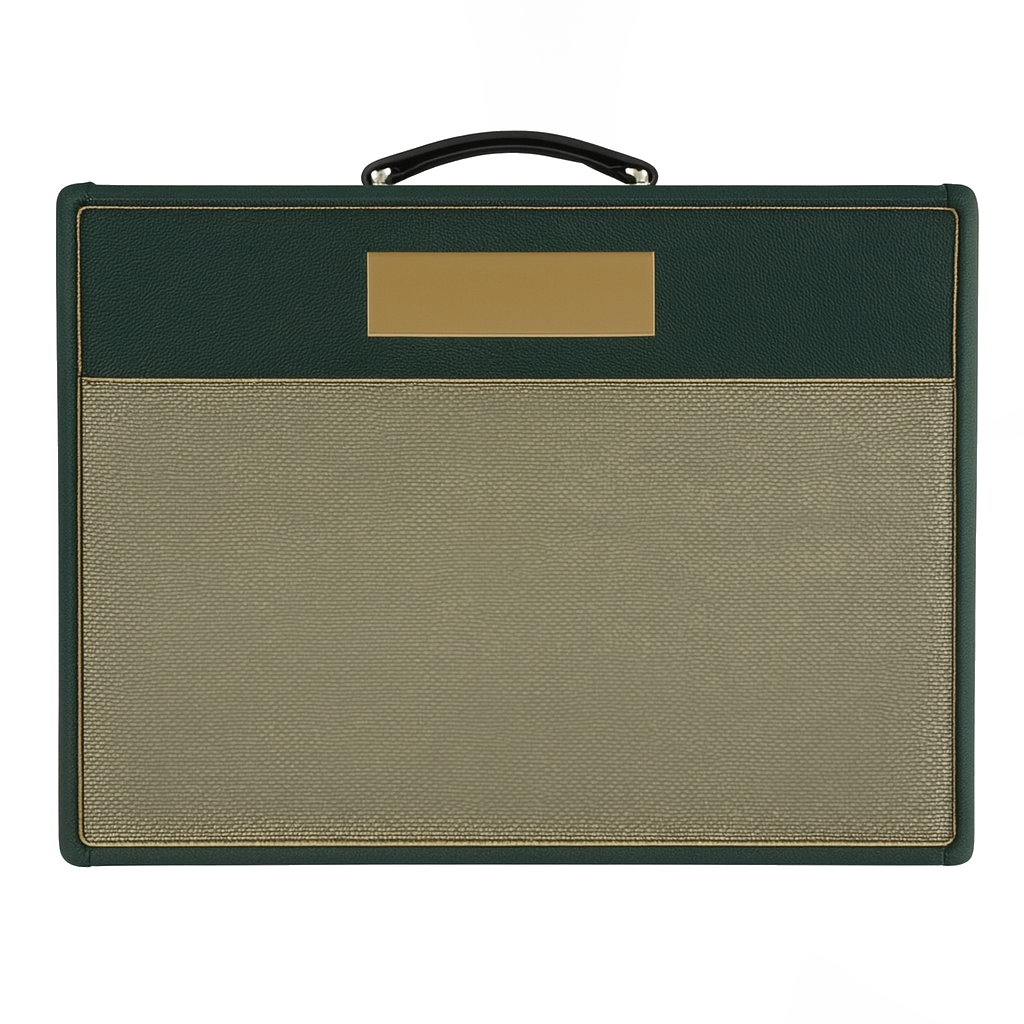
The Ceriatone 2202 is a hot-rodded JCM-800 in a compact 20-watt format running two 6V6s. It keeps the core Marshall bite and aggression intact, with added flexibility from pre and post-phase inverter master volumes, a Depth control, bright switches, and the infamously named “Pussy Trimmer” knob. The result is an amp that covers everything from plexi-style crunch to saturated '80s hard rock tones. This set also includes pedal captures, including the classic SD-1 pairing. It also contains a “Faux 4x12” IR, combining two of my 2x12 cabinets, with a blend made from 4 different Celestion speakers and 16 microphones total.

DI +IR
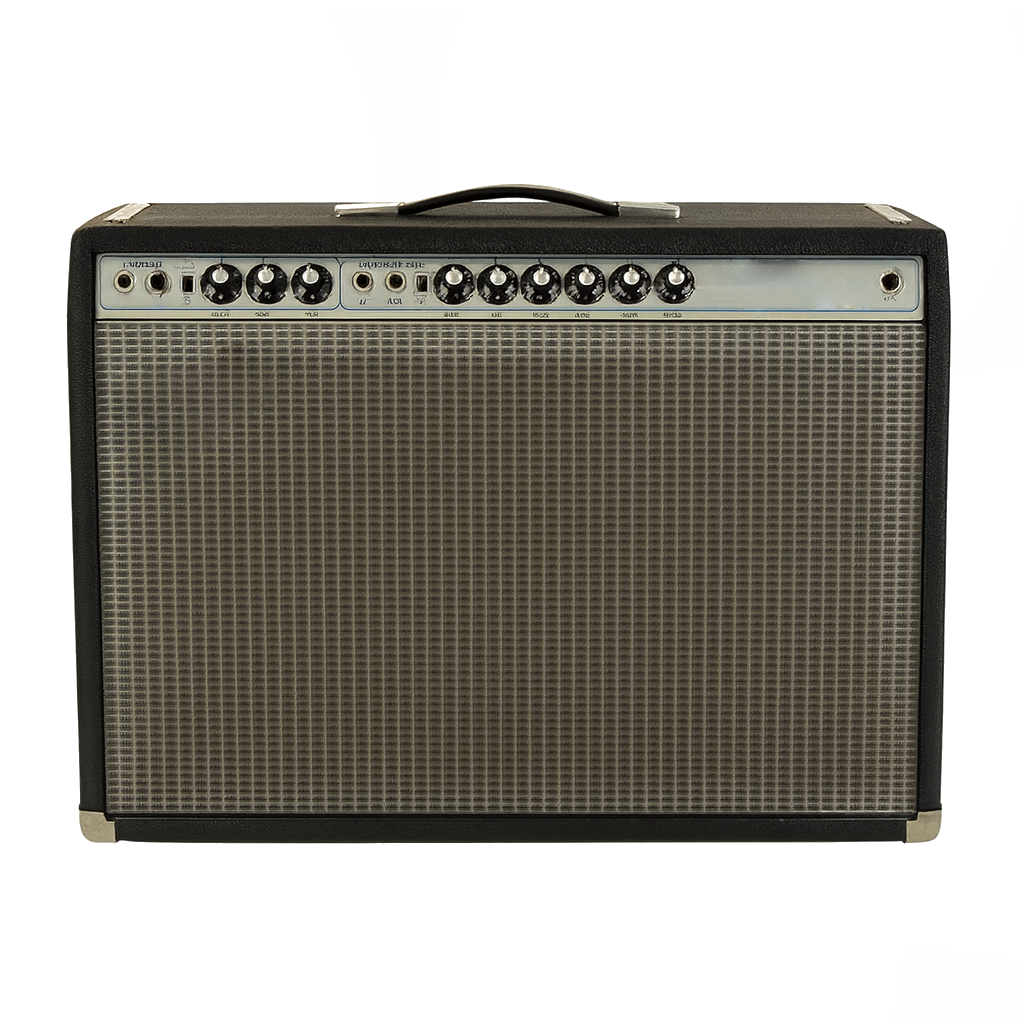
1994 Fender Twin Amp (Evil Twin)

'94 Fender Twin Amp
(“Evil Twin”)

Last Updated:

Twin cleans, Bassman-style OD, 90's gain

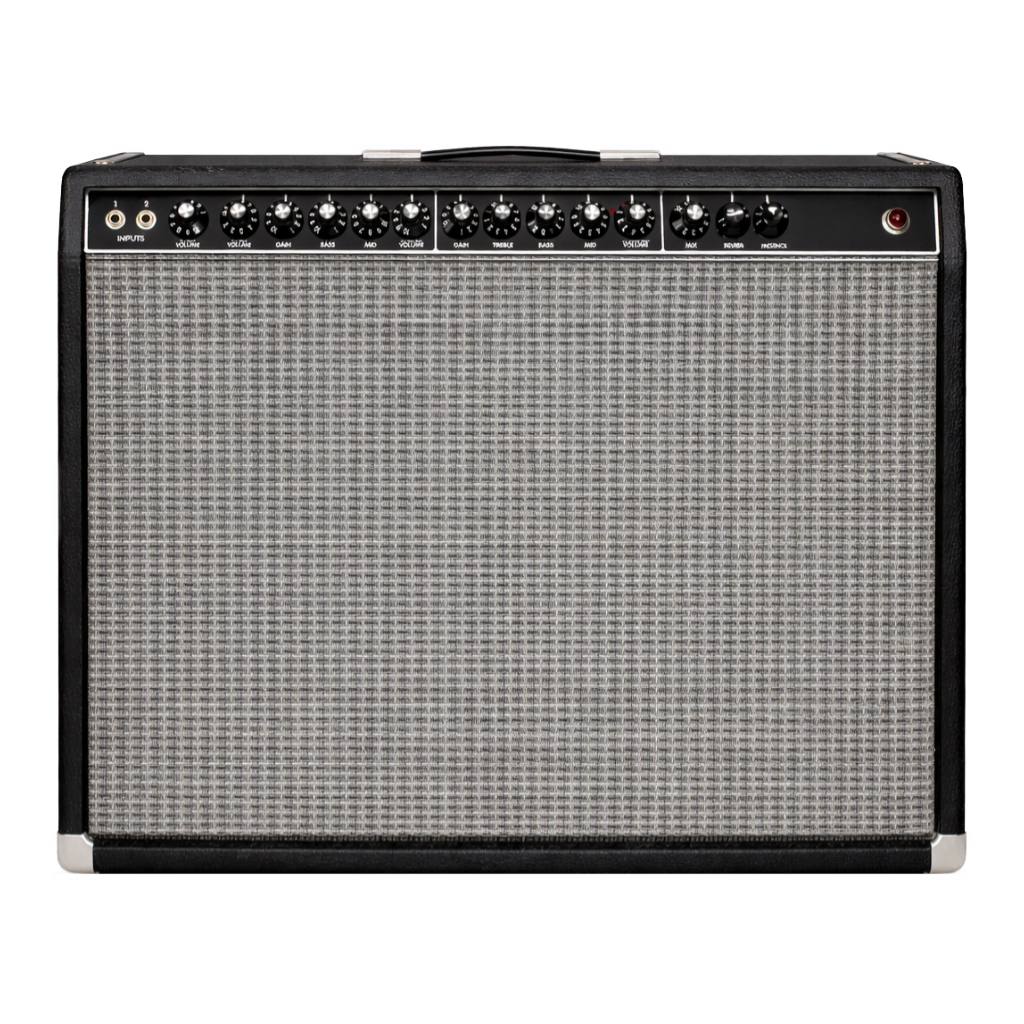
Fender’s ’94 “Evil Twin” is a sleeper that goes far beyond traditional Twin territory. The Green channel delivers the big, glassy clean tones you’d expect, with massive headroom and clarity. The Orange “Vintage OD” mode shifts toward a tweed Bassman and JTM45-style architecture, adding an extra gain stage, midrange punch, reulting in a dynamic breakup that cleans up beautifully with your picking and guitar volume. The Red channel moves into high-gain territory with cascading gain stages. Includes captures of both power modes (100/25 Watts) and 3 new Impulse Responses of the cabinet with a V30+Creamback pairing.

DI +IR
1979 Fender Vibrolux Reverb

1979 Fender Vibrolux Reverb

Last Updated:

Big Fender cleans with some teeth

A 1979 Vibrolux Reverb 2x10" with Eminence Alessandro GA10-SC64 speakers and the boost circuit removed. Captures include both Normal and Vibrato channels with Bright on/off options, covering both Hi and Lo inputs. The Vibrato channel features a modified Volume taper that extends the clean-to-edge-of-breakup range for finer control, while the Normal channel retains the stock taper and breaks up earlier for a grittier tone. Now includes two bass captures!

DI +IR
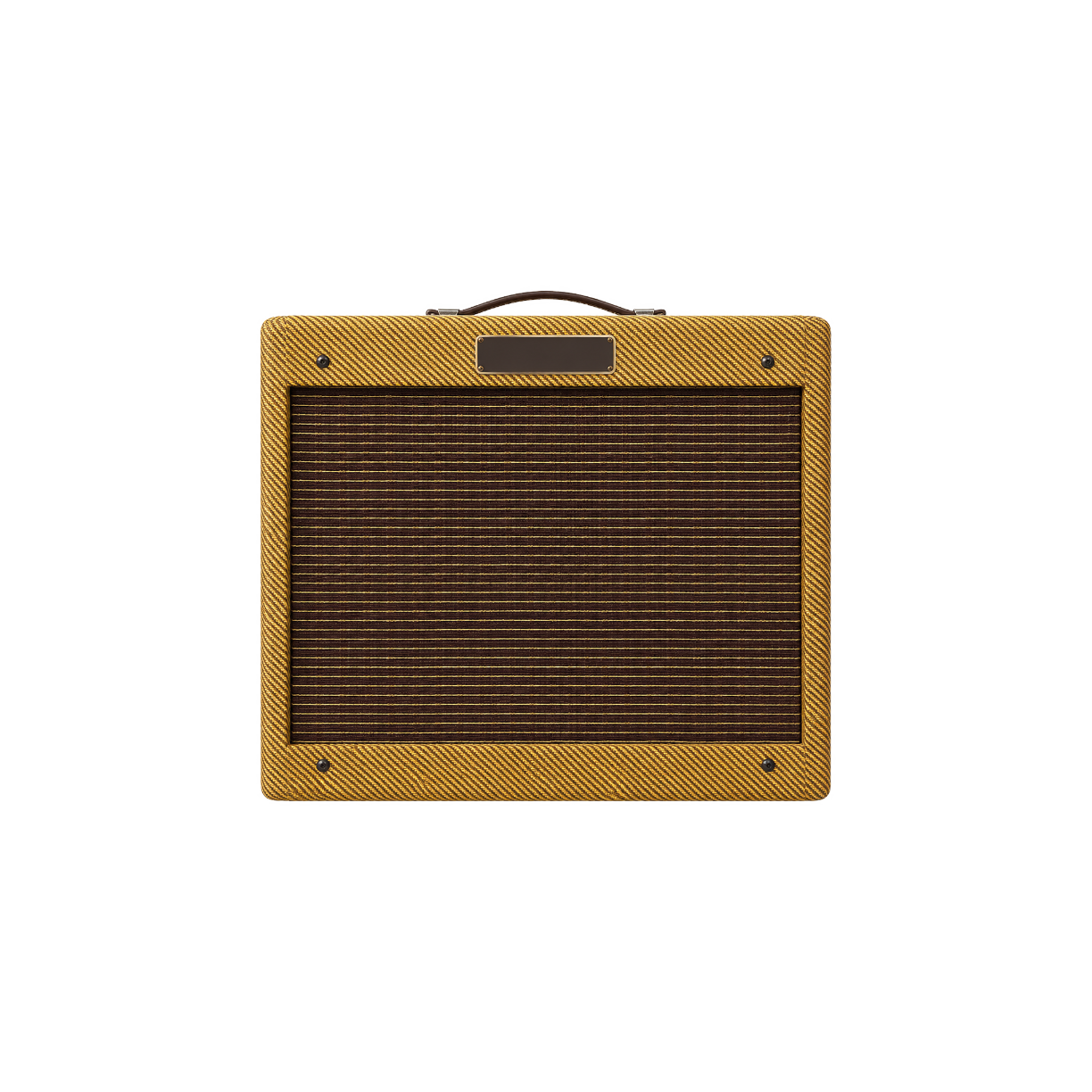
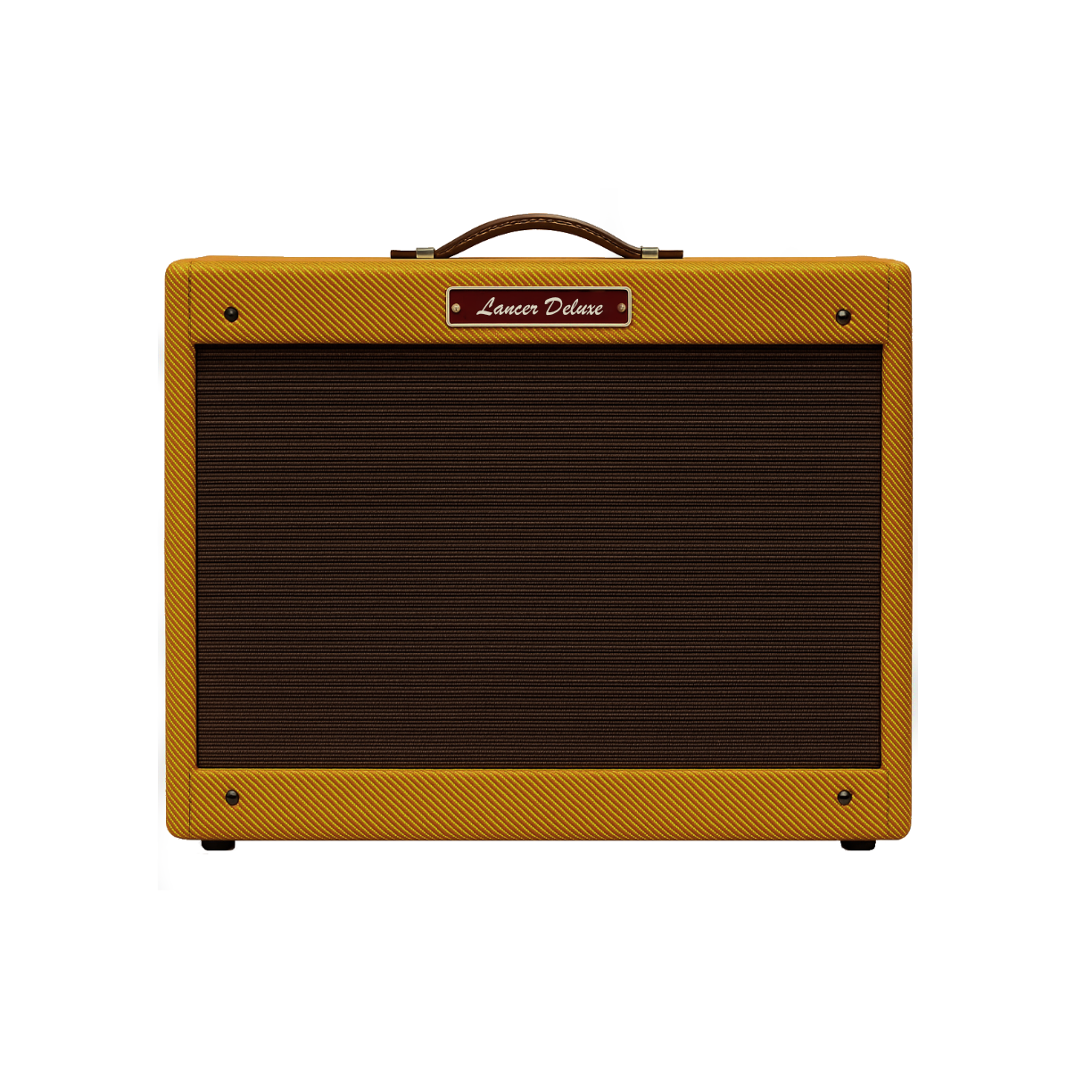
5E3 Tweed Deluxe

Lancer 5E3 Tweed Deluxe

Last Updated:

The Tweed GOAT

A 5E3 Tweed Deluxe kit build (by Lance, hence the name) with mods that keep the amp’s raw, touch-responsive feel while taming the classic loose low end. The preamp and power sections are voiced to filter excess sub-bass and smooth the drive character, while the Rob Robinette 3-way negative feedback switch adds options for tighter response and more headroom. In the captures, S is the open stock setting, M2 bypasses V2A's cathode bypass capacitor, lowering preamp and phase inverter gain for cleaner headroom, and M3 applies negative feedback for firmer lows and later breakup.

DI +IR
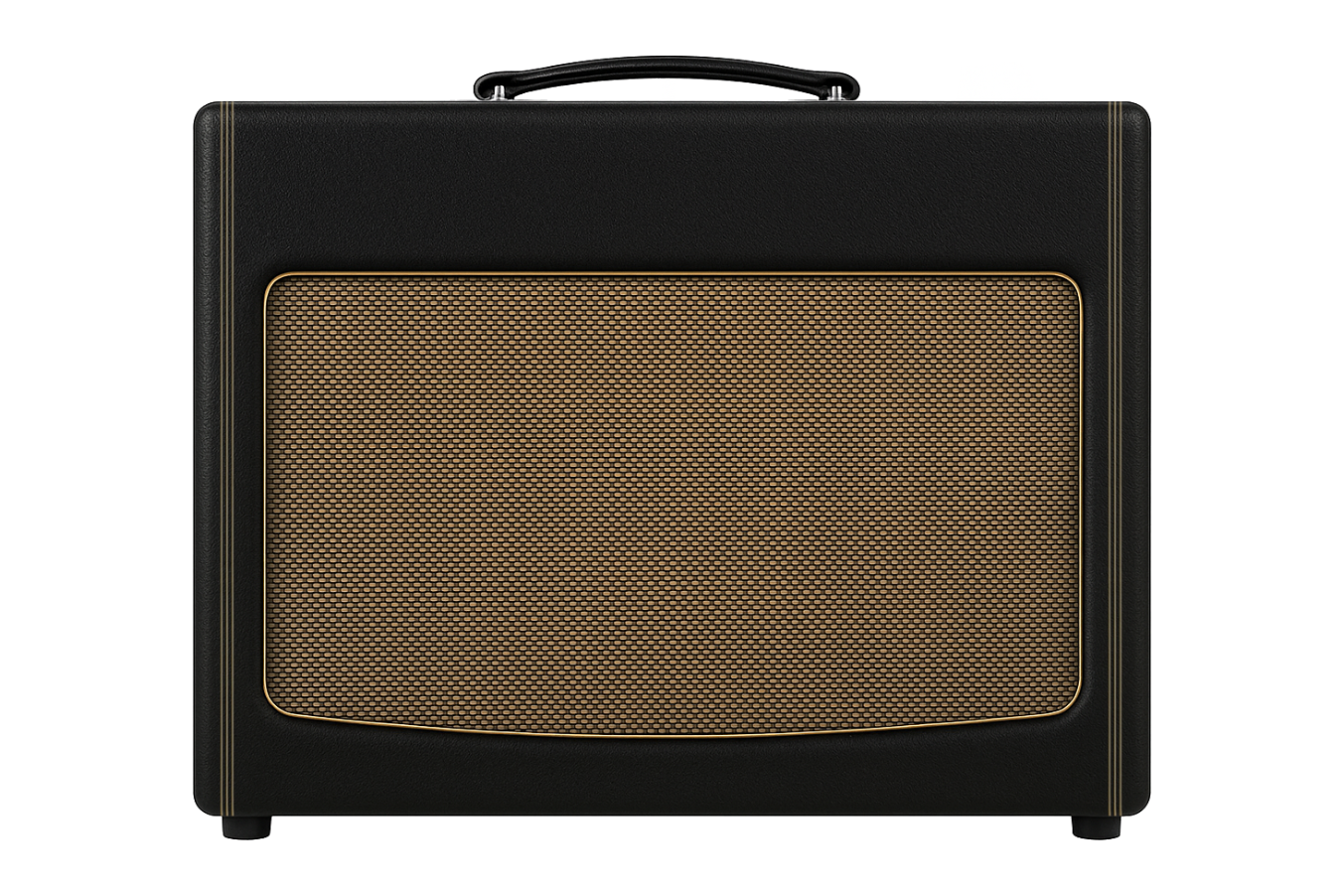
Swart AST Master MKII

Swart AST Master MKII

Last Updated:

Americana Exemplified

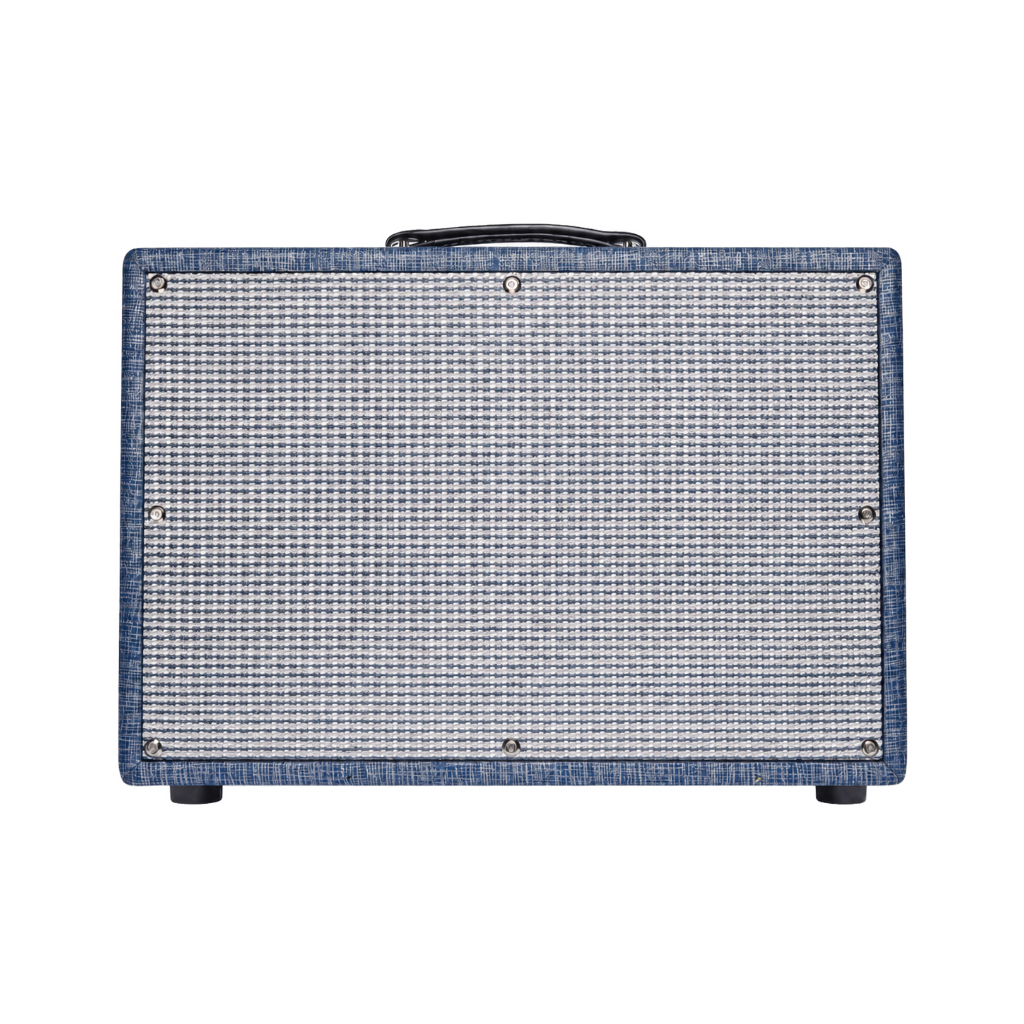
The Swart AST MKII blends the best of early American amp design into one inspired circuit. Its preamp sits halfway between a 5E3 Tweed Deluxe and a Gibson GA-17: offering tighter bass than a 5E3 and fuller, less-scooped mids than a Gibson. From there, an Ampeg and Gibson-inspired pre–phase-inverter reverb flows into a lush bias tremolo feeding a cathodyne phase inverter and a 5E3-style 6V6 output section with no negative feedback. The result is rich, touch-responsive, Tweed-era tone. Pure Americana and rock and roll!

DI +IR
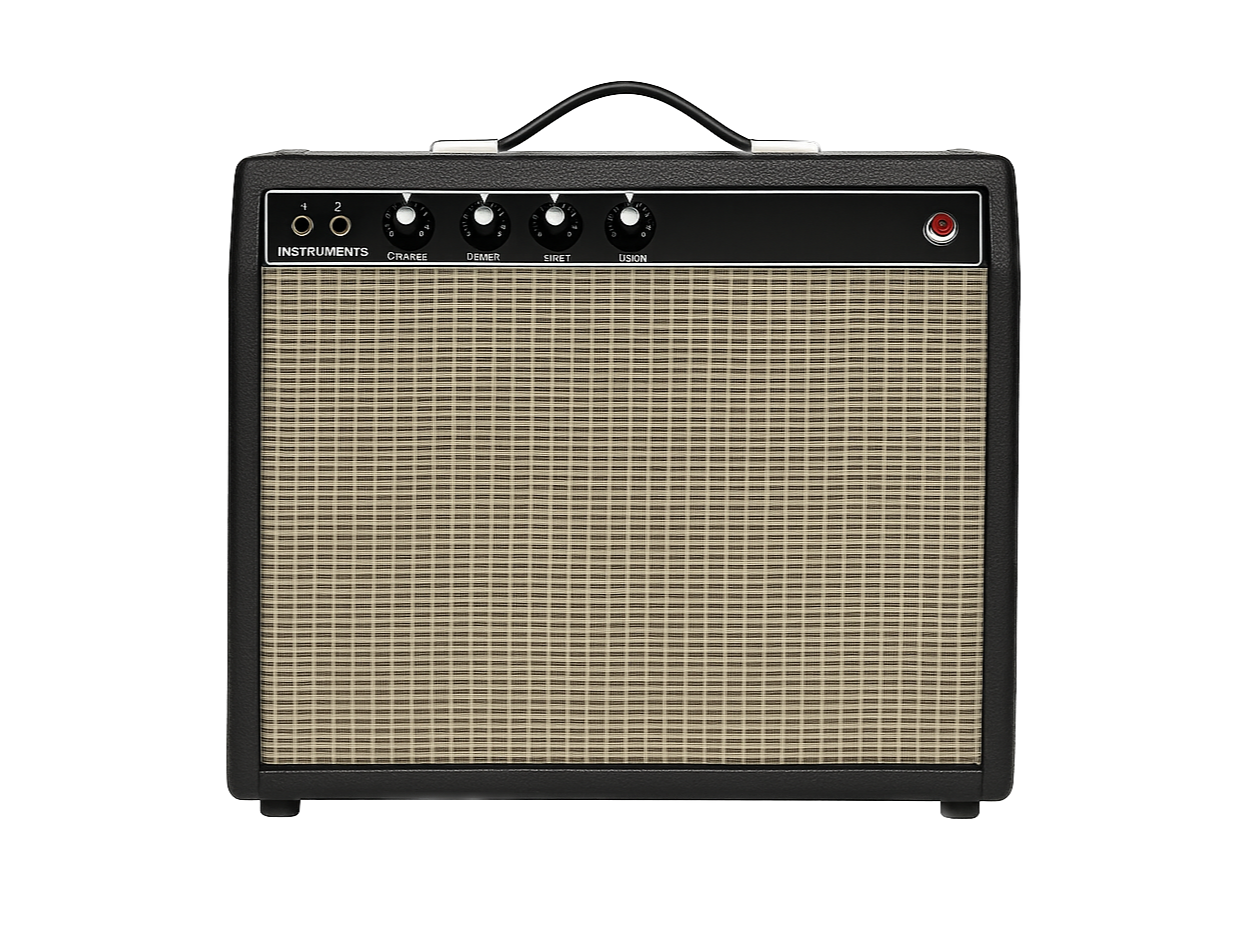
1979 Fender Princeton Reverb

1979 Fender Princeton Reverb

Last Updated:

Classic black panel cleans and drive

A set of ToneX captures from a 1979 Fender Princeton Reverb featuring a reconed vintage Jensen C10Q. The amp has been modded to full black panel specs, inside and out, along with the addition of a rear-mounted Mids control and phase inverter grid stoppers to tighten up the breakup character.

DI +IR
Top Hat King Royale

2001 Top Hat King Royale

Last Updated:

British EL84 brilliance and grit

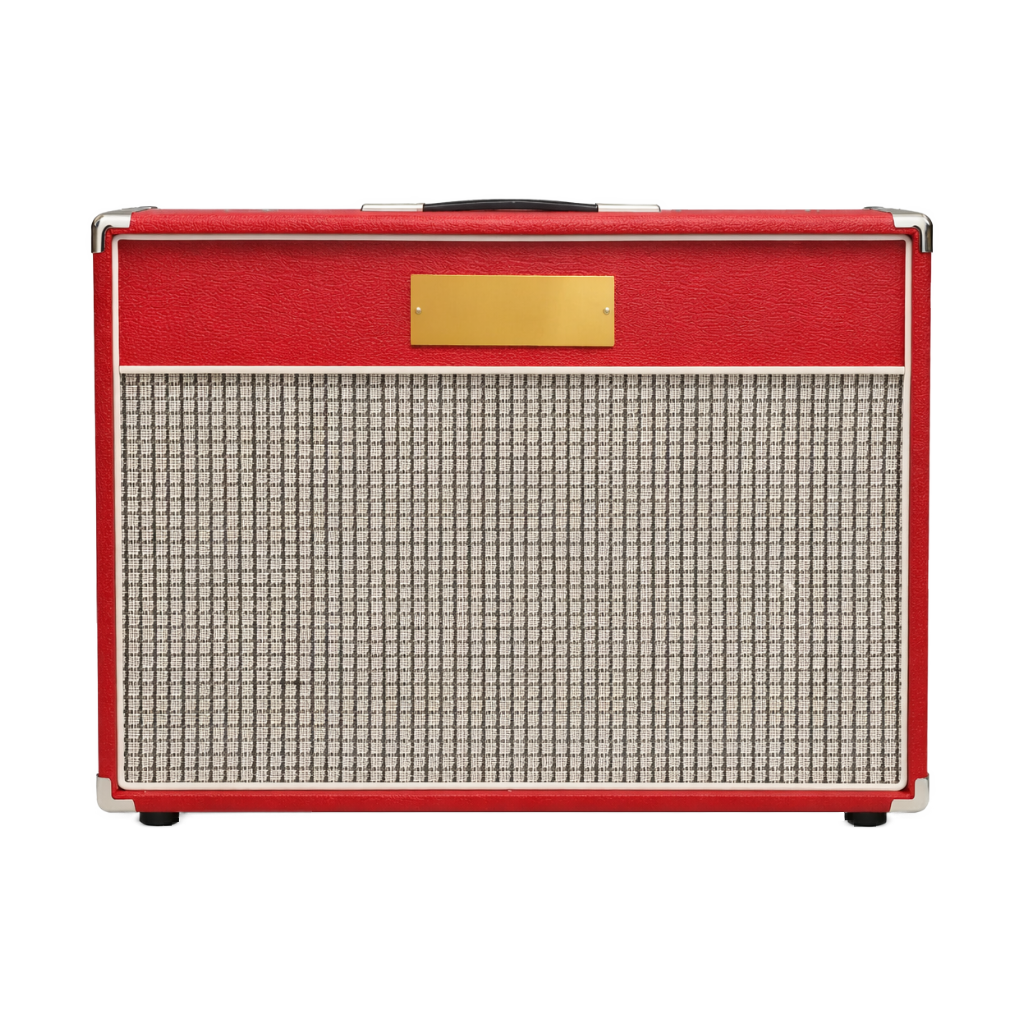
A boutique take on the Vox AC-30 circuit. Channel 1 is the “Normal” channel with Tone and Cut controls only. Don’t sleep on this channel! Channel 2 is the “Top Boost” channel, offering chime to drive. Captures include both channels and jumped variations highlighting the amp’s Bright/Fat and Clean voicing switches. The stock 2x12 has a Top Hat branded Celestion G12C (Custom Greenback) and a G12H Heritage.

DI +IR
Vox AC15C1X

Vox AC15C1X

Last Updated:

Iconic Vox chime and British crunch

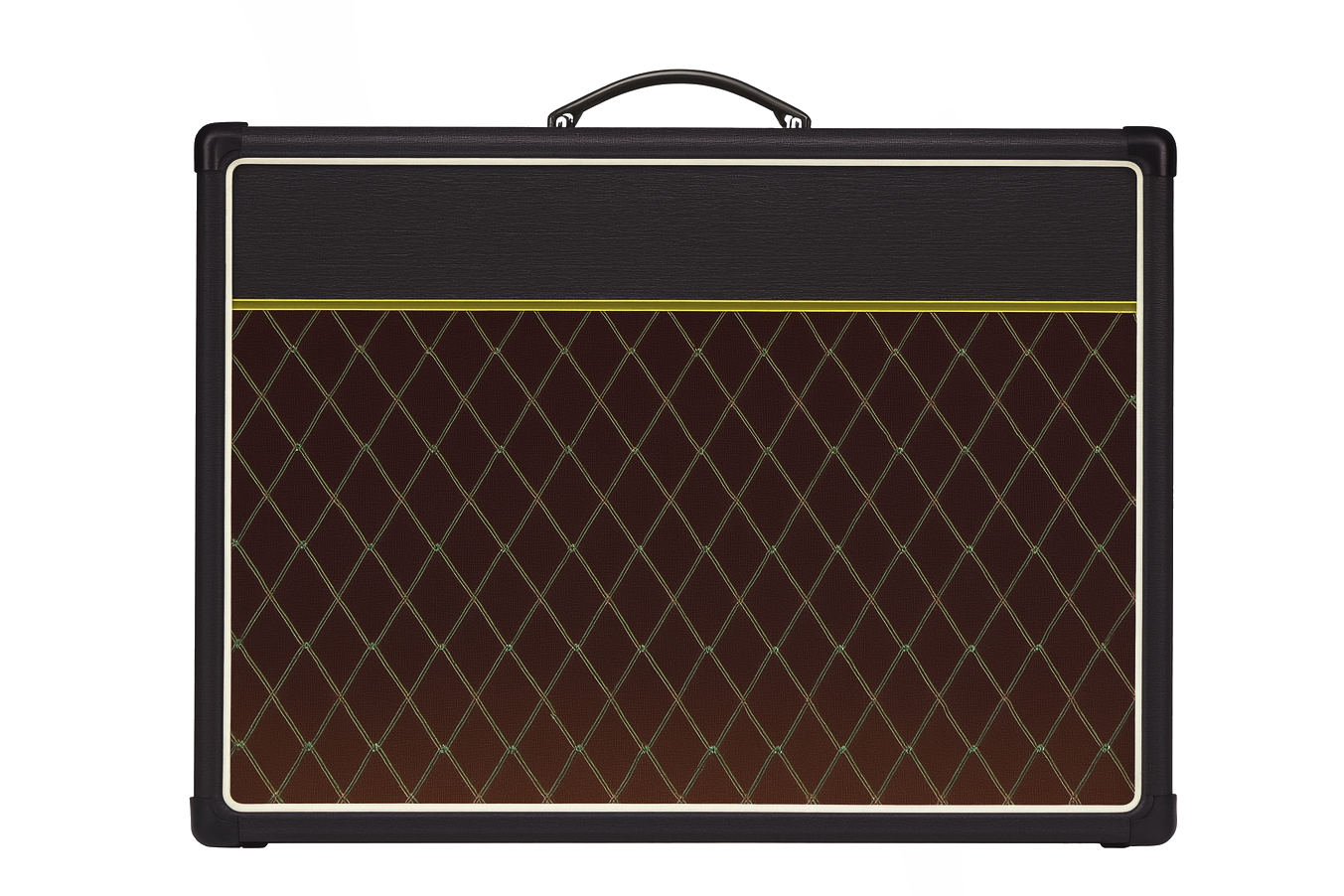
Captured from a Vox AC15C1X upgraded with JMI-inspired mods: bright cap removed, tone stack rewired for more interactive mids, and a touch more gain added to the Normal channel. The result is the unmistakable Vox blend of shimmering top end, tight low mids, and that signature harmonic compression that blooms when pushed. It bridges the gap between early '60s chime and '70s grind, delivering the dynamic sparkle, jangle, and articulate breakup that defined the British Invasion. Captures include the Normal and Top Boost channels, as well as various blended settings for rich, layered tones.

DI +IR

Free Impulse Responses

Last Updated:

Download my personal collection of guitar cabinet IRs captured using a Fryette PS-2A, RME interface, and SM57 + Beyer M160 mic setup. Perfect for close mic'd rock and roll tones. I'll continue to add to this set over time so check back regularly and pay attention to the last updated date.

Included Cabinets

The Funkybot Cabinet IRs v2 pack includes multiple cabinets from my personal amp collection, captured using a Fryette PS-2A (used as a clean power amp) and various microphones through an RME interface. All IRs were phase-aligned, gain-matched, and captured at 44.1 kHz, 48 kHz, and 96 kHz.

  • Tweed Deluxe 1x12 (Updated November 24, 2025)
    A Tweeed Deluxe cabinet with a Fat Jimmy A1260 [American Alnico] Speaker. • Shure SM57, Shure SM7B, Beyerdynamic M160 (ribbon), Beyerdynamic M201, ElectroVoice 635A, Stager SR-2N (ribbon) microphones • Highly detailed IR set with various dynamic and ribbon microphones
  • 1979 Fender Vibrolux Reverb 2x10"
    Eminence Alessandro GA10-SC64 speakers • Shure SM57 and Beyerdynamic M160 (ribbon) • IRs of the left and right speakers, plus mixes of both
  • 1979 Fender Princeton Reverb 1x10"
    Vintage Jensen C10Q (reconed by Halford Loudspeakers, Memphis) • Shure SM57 and Beyerdynamic M160 (ribbon) • Proof-of-concept capture using the new method — more to come!
  • Top Hat King Royale 2x12"
    Celestion G12H Heritage + Top Hat G12C (Custom Greenback) • Shure SM57 and Beyerdynamic M160 (ribbon) • IRs of the left and right speakers, plus mixes of both
  • Swart AST Master MKII 1x12
    Mojotone BV25 speaker • Oversized, deep Swart 1x12 cabinet • Shure SM57 and Beyerdynamic M160 (ribbon) • Individual IRs and mixes
  • Marshall-Style 1x12"
    Scumback M75 (Greenback-style speaker) • Shure SM57 and Beyerdynamic M160 (ribbon) • Individual IRs and blended mixes
  • Supro 1968RK (Keeley Custom 12) 1x12"
    Variations for two different speakers: (1) the stock Creamback and (2) a Celestion G12M Greenback • Shure SM57 and Beyerdynamic M160 (ribbon) • Individual IRs and blended mixes

Each IR was tested and balanced for use with ToneX captures, but they’ll also work great in third-party IR loaders and amp modelers such as Helix, Fractal, and more!

Capture FAQs

How do I install these?

For ToneX captures, you must extract the ZIP file first. Once extracted, open the ToneX plugin and drag the extracted files into the Tone Model list in ToneX. The presets should automatically import. You can also use the Import option from the File menu.

For the Impulse Responses, you can use them in any IR loader, including ToneX. See the documentation for your IR loader of choice.

What input gain settings do you use?

I keep my ToneX (not the One) pedal at the default setting (+8.5 dB). In the ToneX software, if you’re targeting about -12 dBU, you’ll be right in the ballpark. One easy way to get there is to plug a guitar with humbuckers into your audio interface. Increase the gain until the very hardest of strums clips the input. Now back the input down the slightest touch so those same hard strums no longer clip. If you do that, you'll be at approximately the same gain setting I am.

My general philosophy is to capture the sound of the amps at the same level, so that when you switch guitars, what's an "edge of breakup" tone with humbuckers will still be "clean" with single coils. This way, once you find the right input level setting, you change the captures for each guitar versus trying to constantly adjust the input level. But there are no rules. Do whatever sounds good to you!

What is your naming convention?

If the amp has just a few controls, like the Princeton, I’ll include the settings in the Tone Model name. If the amp has a large number of controls where that’s an issue, then see the next question...

Why label captures A, B, C, etc.?

For amps with lots of controls, I label them alphabetically by gain level so you can sort by name in the ToneX software and scroll through different gain levels easily. Note that the gain levels are an approximation — for example, if an amp has a pre–phase inverter master volume, a gain level of 8 with the master turned down low may actually have less gain than a capture at 7 with the master at 10. The gain levels are just guidelines dialed in by ear.

What do BAL, BRT, WRM, SCP, CUT mean?

They indicate EQ profiles:
BAL = Balanced (works well with gutiars like a Strat or Jazzmaster)
BRT = Brighter, less bass (pair well with Les Paul style guitars without the neck pickup being completely muddy)
WRM = Warm, less treble, more bass (should work with a bright Telecaster bridge pickup and similar)
DRK = Darker, more subdued or jazzy
MID / MID+ = Pushed midrange
SCP = Scooped mids
CUT = Treble cut
PRS = Presence, brighter
THN = Thinned lows
BST = Boost: input gain boosted or boost pedal adding gain

Where do you document the amp settings?

The amp settings for all captures are typically in the Description field. I try to be as explicit as possible but sometimes need to abbreviate settings to fit within character limits. You’ll usually find the guitar or pickup types used when dialing in the tone in the Notes field.

What's the deal with DI and +IR?

DI captures don’t include a mic’d cabinet, which means you can pair them with any impulse response (IR) you like without changing the tone. Think of it like running the amp as a head and choosing different speaker cabinets. Each set includes one or more of my own IRs to get you started, but you’re free to use any you prefer. That’s the main advantage of DI+IR captures: flexibility. I may add more mic’d captures in the future, though there won’t be nearly as many since DI captures can be made quietly at any time without bothering the dog or the neighbors—and mic’d ones can get loud.

What’s your recording chain for the DI captures?

I send a line out from my RME Fireface 802FS into a Lehle P-Split, which handles reamping and feeds the amp’s input. The amp’s speaker output goes into a reactive load, either a Suhr Reactive Load IR for 8-ohm amps or a Fryette Power Station for 4 or 16 ohms. From there, the line out runs directly to the ToneX Modeler, capturing the amp just as it would sound driving a real speaker. The result is accurate dynamics, realistic feel, and completely silent operation.

Why don't you charge for these captures?

This question comes up a lot. I make these captures for myself — I love having the ability to play through my amps from anywhere, at any time of day or night, via ToneX. I also like to make a lot of captures of my amps so I don't feel like I'm missing a setting or can't find a tone that's just right for whichever guitar I'm playing.

Charging for captures would mean handling support requests, setting up a business entity, and/or dealing with taxes — none of which I'm particularly interested in.

My goal is simply to make killer-sounding captures of my own gear that are on par with, or better than, some commercially available captures — and I do that because that’s what I want for myself.

Will you do Kemper, Quad Cortex, NAM profiles or some other profiler?

Not likely. I don't own a Kemper or QC. I'm not a NAM user. I'm not selling these commercially. So I'm just sticking to ToneX.

How do I contact you or provide feedback?

The best place to share feedback or ask questions is over on The Gear Page discussion thread. I check in there regularly and always appreciate hearing what people think—good or bad. If there's something I can improve on, I'm open to doing so. Whether you’ve got suggestions, questions, or just want to share your impressions, it’s a great place to discuss these captures and get in touch with me.

Please like on Tone.net!

If you dig these captures, a like on Tone.net helps others find them.